Commercial thesis
Guyana recorded 453,489 visitor arrivals in 2025, up 22% on 2024 and the highest annual total on record, according to the government (DPI, 2026). The United States accounted for 40% of arrivals and the Caribbean for 33%; Europe for 6% (DPI, 2026).
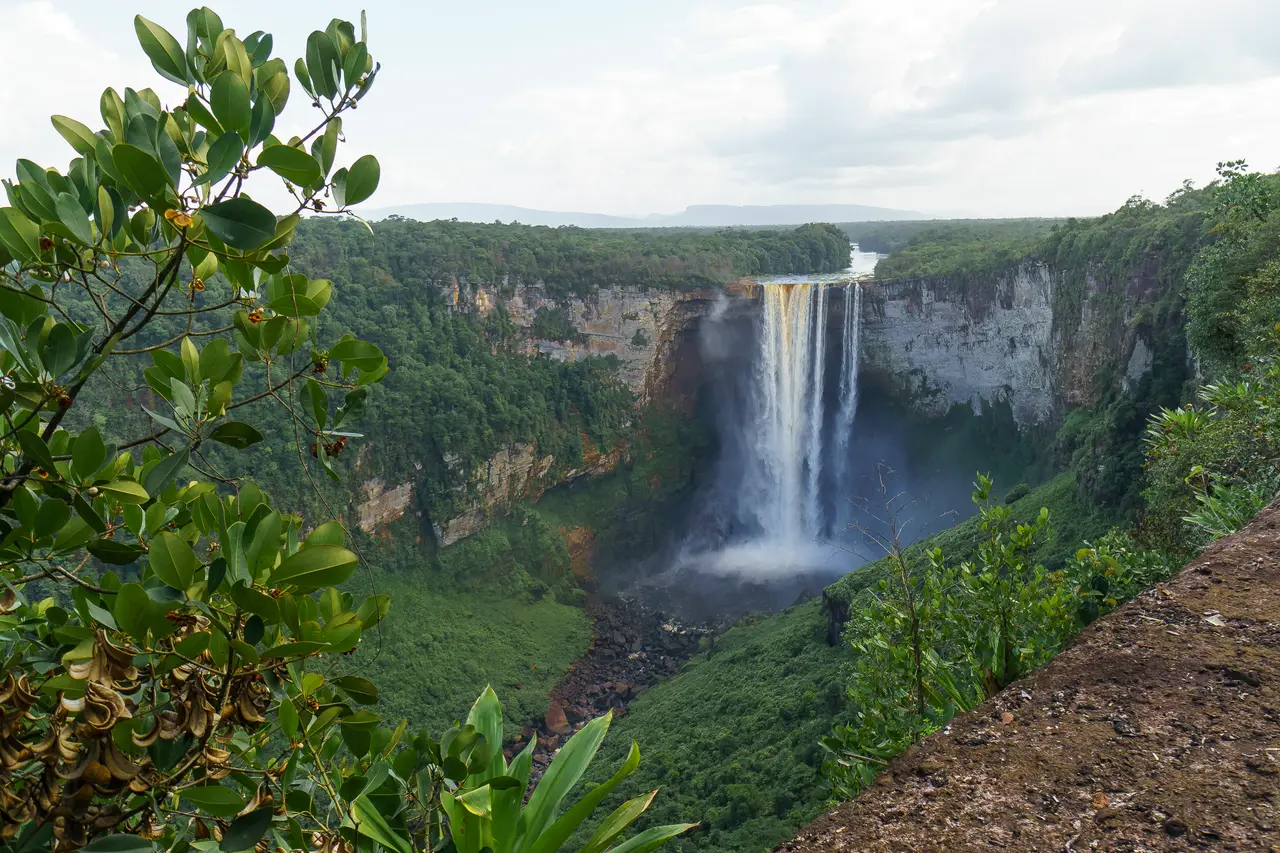
Those numbers describe two distinct markets. The first is business and diaspora travel to Georgetown, driven by the oil economy and family ties, which supports demand for hotels, serviced apartments, restaurants, conference space and transport. The second is nature and adventure tourism in the interior, built on places such as Kaieteur Falls, the Iwokrama forest and the Rupununi savannahs. It is smaller, more seasonal and logistically harder, but it is distinctive and supported by government policy.
Arrival growth is a reason to investigate, not proof of profitable demand. Occupancy, room rates, length of stay and spend per visitor matter more for a specific investment, and they need separate research.
Evidence
453,489
Visitor arrivals, 2025
Source: Department of Public Information, Government of Guyana, 11 January 2026
7.2%
Services growth, first half, H1 2026
Source: Department of Public Information, Government of Guyana, 14 September 2026
Arrivals count every purpose of travel (DPI, 2026). Public sources do not yet give reliable figures for hotel occupancy, room rates, visitor spend or the split between business, diaspora and leisure travel. Those are the numbers an accommodation investment depends on, and they need primary research for the specific segment and location.
Current developments
The 2026 budget allocates GY$2.2 billion to complete a hospitality and tourism training institute (DPI, 2026), an indication that skills are a recognised constraint. Source markets are concentrated: the United States accounted for 40% of 2025 arrivals and the Caribbean for 33% (DPI, 2026), which matters for air access and marketing.
Interior lodges and Indigenous village land
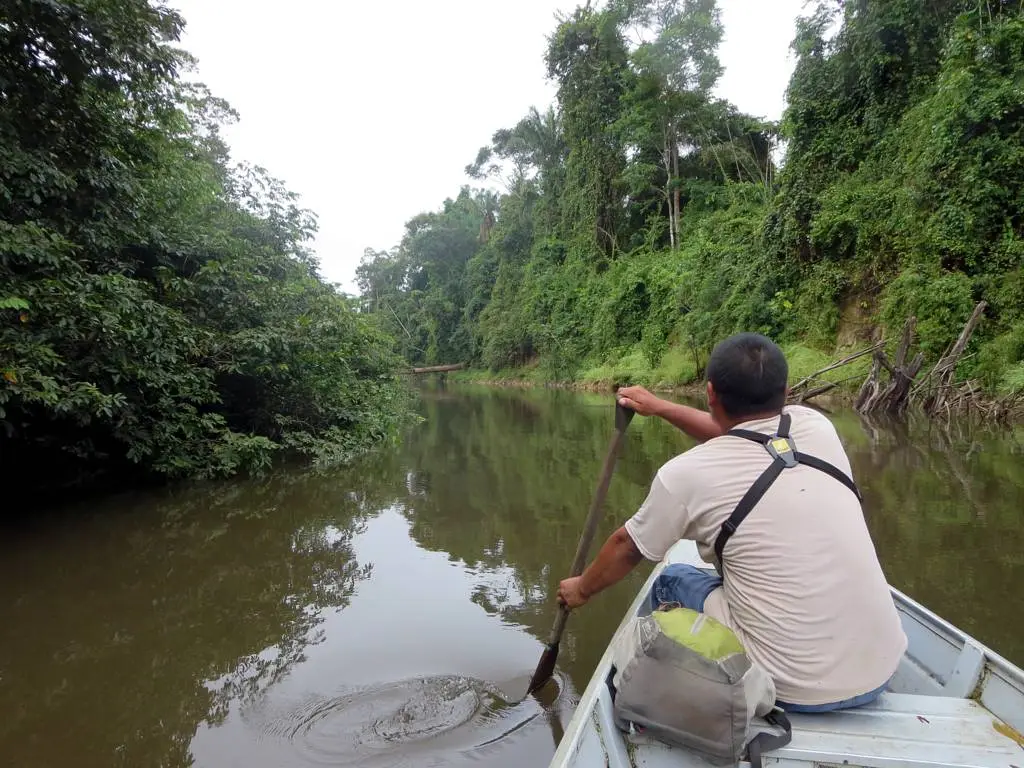
Many of the interior's best nature sites lie on or near titled Amerindian village lands. Village land cannot be sold or transferred except as the Amerindian Act allows (Amerindian Act), so a lodge built there by an outside investor rests on a lease from the village council, and the law sets firm limits on it:
50 years
Maximum lease of village land, Law in force (L.R.O. 1/2012 text)
Source: Government of Guyana (consolidated text, L.R.O. 1/2012, via FAO FAOLEX)
at least 75%
Village consent for a lease to a non-resident, Law in force (L.R.O. 1/2012 text)
Source: Government of Guyana (consolidated text, L.R.O. 1/2012, via FAO FAOLEX)
In practice that favours partnership models: a lodge owned or co-owned with a community or an Indigenous entrepreneur, with the investor bringing capital, design, marketing or operating know-how under a clear written agreement. Lenders and investors will ask early who holds the land and on what terms, so that question should be answered first, with legal advice.
Potential opportunity categories
- Business accommodation in and around Georgetown: mid-market hotels, extended-stay and serviced apartments for project staff.
- Hospitality services and supply: food and beverage supply, laundry, maintenance, hotel technology and training.
- Interior and nature tourism: eco-lodges, guiding, community-based tourism partnerships and specialist tour products, developed with communities, Indigenous entrepreneurs and established lodges.
- Transport: domestic aviation, ground transport and transfers, which constrain how many visitors the interior can host.
- Events and conferencing linked to the energy sector and regional meetings.
Buyers and commercial counterparties
- Business travellers and project staff, and the companies that book for them, in and around Georgetown.
- Diaspora visitors, many of whom stay with family, which limits how far arrivals translate into hotel nights.
- Leisure and nature travellers reached through specialist tour operators and established interior lodges.
- Villages and Indigenous entrepreneurs as landholders and partners for interior projects, under the Amerindian Act (Amerindian Act).
Market access and competition
In Georgetown, new business accommodation competes with hotels and apartments opened during the boom; the size of that pipeline is not documented in the sources we use, so it is the first thing to research for a specific project. In the interior, competition is less about rival lodges than about access: light aircraft and limited roads keep trip costs high (U.S. ITA, 2026). Land on village territory can only be leased on the Act's terms, which favours partnership models over outright development.
Who may fit
- Hotel operators, developers and investors with experience of small, fast-changing markets.
- Hospitality suppliers and service companies looking for a regional foothold.
- Specialist nature, birding and adventure operators able to partner with local lodges and communities.
Finding credible lodges, landholders or local operators to work with is the focus of our partner and market-entry research.
What remains uncertain
- Demand mix Arrivals include all purposes of travel (DPI, 2026). Business demand may soften if project activity slows, while leisure demand is still small.
- Supply response Arrival totals do not show how much accommodation has been added or is planned. New entrants need current occupancy, rate and pipeline data for their segment.
- Access and cost Interior destinations depend on light aircraft and limited roads (U.S. ITA, 2026), which keeps trip costs high.
- Staffing Hospitality competes with other sectors for staff and skills.
- Community and land Interior projects may involve Indigenous village lands, where a lease to a non-resident needs the consent of a village general meeting and is capped at 50 years (Amerindian Act). Partnerships take time and fair terms.
Key questions before entering
- Which segment are you serving: business, diaspora, regional or international leisure?
- What do current occupancy, rates and pipeline look like for that segment?
- How will guests get to you, and at what cost?
- Who are the local partners, landholders or communities whose agreement you need?
- Where will you recruit and train staff?
Local operators can add useful context on visitor patterns, but we do not base commercial conclusions on a single operator's view.